
Technical Insight: Magnesium Oxide Board vs. OSB in SIP Production – A Comparative Analysis
In the realm of high-performance construction, Structural Insulated Panels (SIPs) have gained widespread recognition for their exceptional energy efficiency, construction speed, and structural integrity. As a SIP manufacturer or procurement specialist, one of the most critical decisions you face is selecting the appropriate facing material. Currently, the market is dominated by two primary options: traditional OSB (Oriented Strand Board) and our flagship Pure Magnesium Sulfate Board.
This article provides a professional, in-depth analysis of the performance differences between these two materials in SIP applications, illustrating why Pure Magnesium Sulfate Board represents the ideal upgrade for conventional SIP systems.
1. Fire Safety Performance
Magnesium Oxide Board's Absolute Advantage
In the event of a building fire, the safety of life and property is paramount. This is where Magnesium Oxide Board demonstrates its most significant advantage.
MgO Board SIP: Pure Magnesium Sulfate Board is an inorganic material, classified as a Class A1 non-combustible material. According to rigorous testing, MgO facers can withstand direct flame exposure at 1100°C for up to 45 minutes without combustion, while effectively limiting heat transfer. A critical observation is that when one side of the panel is exposed to 1100°C, the opposite side's temperature only rises to 134°C over the same 45-minute period. This provides invaluable time for evacuation and firefighting efforts in a real fire scenario.
OSB SIP: OSB is an organic, wood-based material and is inherently combustible. While fire resistance can be improved through the addition of fire retardants or by cladding with gypsum boards, it cannot fundamentally achieve the non-combustible nature of inorganic materials.
2. Moisture Resistance & Dimensional Stability
The Reliability of MgO Board in Harsh Environments
Construction sites are often unpredictable, and exposure to rain during transport and installation is a common challenge.
MgO Board SIP: Pure Magnesium Sulfate Board features a low water absorption rate. Crucially, it does not swell, deform, or delaminate when exposed to moisture. This means that even if panels encounter brief contact with rainwater during the construction phase, their structural integrity and dimensional accuracy remain uncompromised. This prevents issues like "telegraphing"—where joints become visible on the finished surface due to the swelling and shrinking of the facer material.
OSB SIP: This is a long-standing and significant weakness of OSB. As a hygroscopic wood product, OSB readily absorbs moisture. If the sealing process is delayed or compromised after installation, the edges of OSB panels can absorb water, leading to significant edge swelling, delamination, and even rot. This not only affects aesthetics but severely compromises the structural strength of the SIP. In building science research, moisture-related failures in OSB, such as "ridge rot," have been a persistent concern requiring careful mitigation.
3. Thermal Performance & Energy Efficiency
The "Extra" Insulation Value of MgO Board
When evaluating the thermal performance of a SIP, it's essential to look beyond just the R-value of the foam core; the facing material plays a significant role as well.
MgO Board SIP: MgO board itself is an effective thermal insulator. When combined with a high R-value EPS foam core, the MgO facers contribute additional thermal resistance to the overall assembly. This synergy minimizes thermal bridging effects, resulting in a wall system with superior overall insulation compared to systems relying solely on the core for R-value.
OSB SIP: OSB offers negligible thermal insulation contribution. While standard OSB SIP systems achieve excellent overall R-values through the foam core and can reduce heat loss by up to 40% compared to traditional stick framing, the facing material itself does not provide a significant insulation benefit.
4. Structural Strength & Construction Workflow
Different Paths to the Same Goal
Both materials represent mature and reliable solutions from a structural engineering perspective.
Structural Strength: The structural principle of a SIP mimics an I-beam – the facings resist bending stresses while the core resists shear. High-quality OSB and MgO boards are both engineered to meet or exceed stringent structural load requirements (e.g., resisting wind speeds of 155 mph). Furthermore, the hard, dense surface of MgO board offers excellent impact resistance, making it less prone to dents during handling and throughout the building's service life.
Construction & Cutting: This is an area where a practical trade-off exists. OSB is lighter in weight and can be cut very easily using standard woodworking tools. MgO board, due to its high-density inorganic composition, is slightly heavier than OSB and causes more rapid wear on saw blades during cutting. However, this minor drawback is heavily outweighed by its superior fire and moisture resistance, particularly in projects with stringent safety requirements.
5. Durability & Lifecycle
Long-Term Asset Preservation
MgO Board SIP: Because it is impervious to mold, termites, and rot, Pure Magnesium Sulfate Board offers an exceptionally long service life with virtually no required maintenance. Its performance degrades very slowly over time, making it an ideal building envelope material for structures designed to last for generations.
OSB SIP: There are ongoing discussions within the industry regarding the long-term durability of the adhesives used in OSB and the bond integrity between the OSB facer and the foam core over decades. Furthermore, wood-based materials always face the inherent risk of biological attack. Although modern manufacturing technologies have significantly mitigated these issues, the theoretical design life of an OSB SIP is still considered shorter than that of a fully inorganic MgO SIP.
Conclusion: Choosing the Right Material for Your SIP Project
The choice between OSB and MgO board for SIP facings ultimately depends on the specific performance priorities and risk profile of your project.
Choose OSB SIPs if:
The project budget is extremely sensitive, and lightweight panels are a priority.
The project is located in a consistently dry, inland climate with guaranteed protection from rain during the construction phase.
The construction crew is primarily equipped and skilled for fast processing of traditional wood-based materials.
Choose Pure Magnesium Sulfate Board SIPs if:
The project demands the highest level of fire safety (e.g., high-rise buildings, schools, hospitals, hotels).
The project is located in a humid or rainy region, or the construction schedule may span a rainy season.
The client requires a maintenance-free, ultra-long lifespan for a premium asset.
Your goal is to produce a differentiated, high-value SIP product that stands out in a market saturated with standard OSB SIPs.
In the world of SIP technology, the combined properties of the materials determine the ultimate quality of the finished product. With its inherent qualities of being non-combustible, moisture-resistant, and dimensionally stable, Pure Magnesium Sulfate Board is rapidly becoming the facing material of choice for high-performance, resilient buildings worldwide. If you are seeking a SIP solution engineered to withstand the most demanding environmental challenges, Pure Magnesium Sulfate Board is a reliable and superior partner.
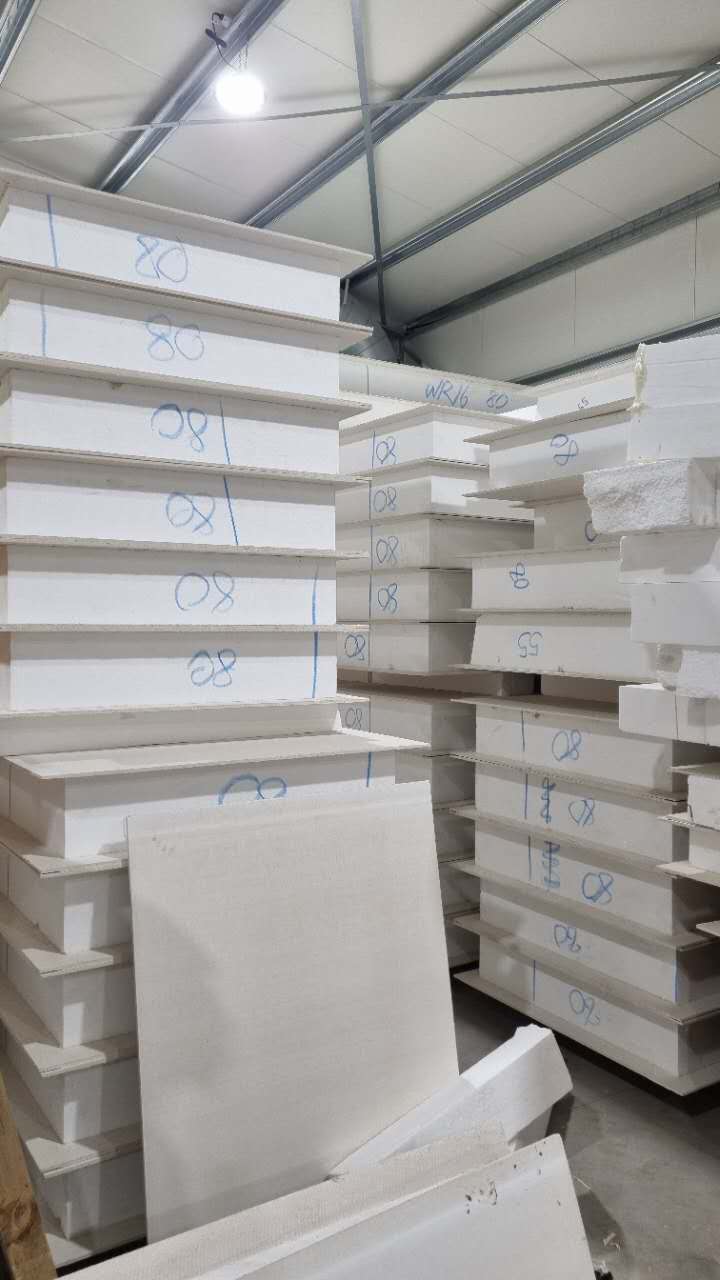 Technical Insight: Magnesium O
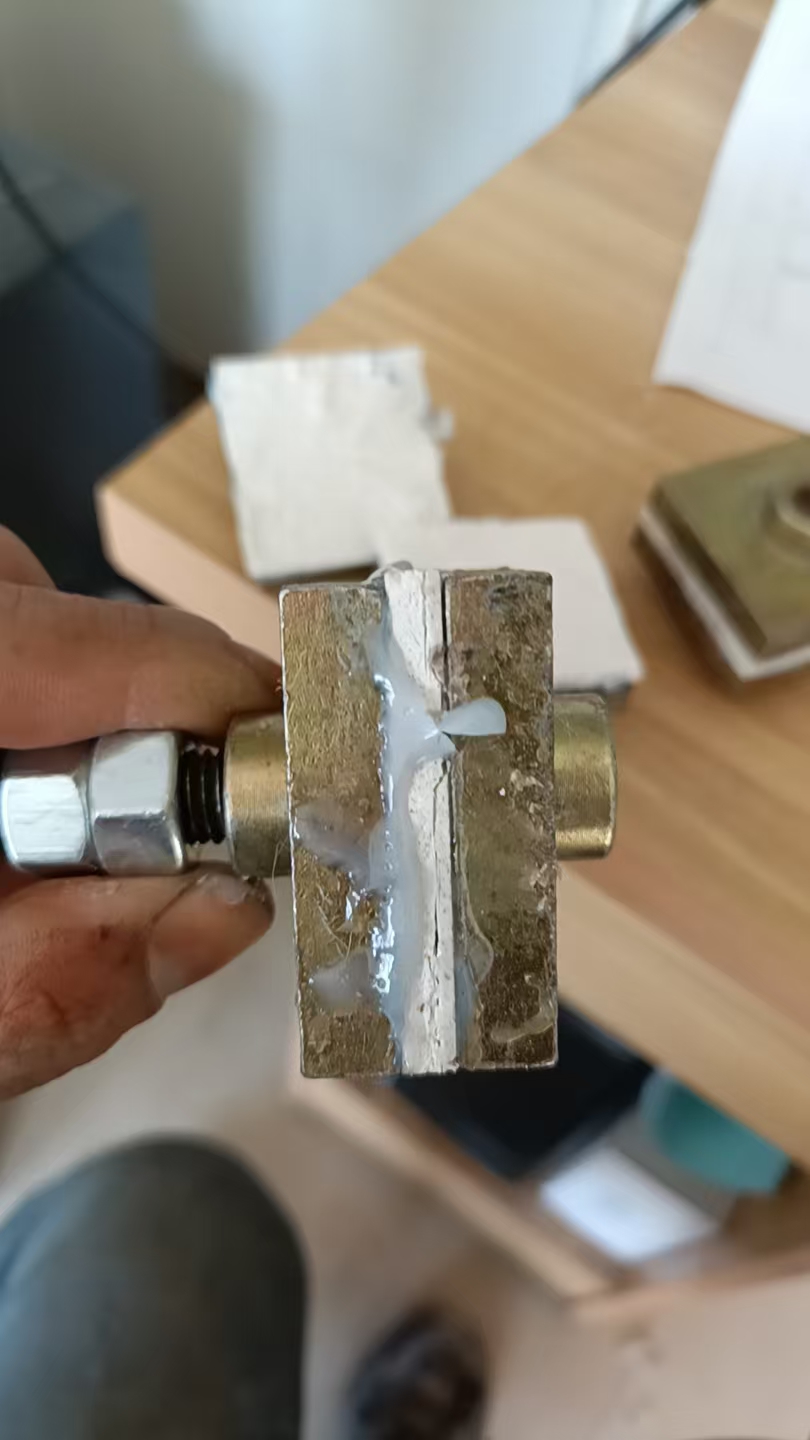 MGO BOARD Core Tensile Strengt
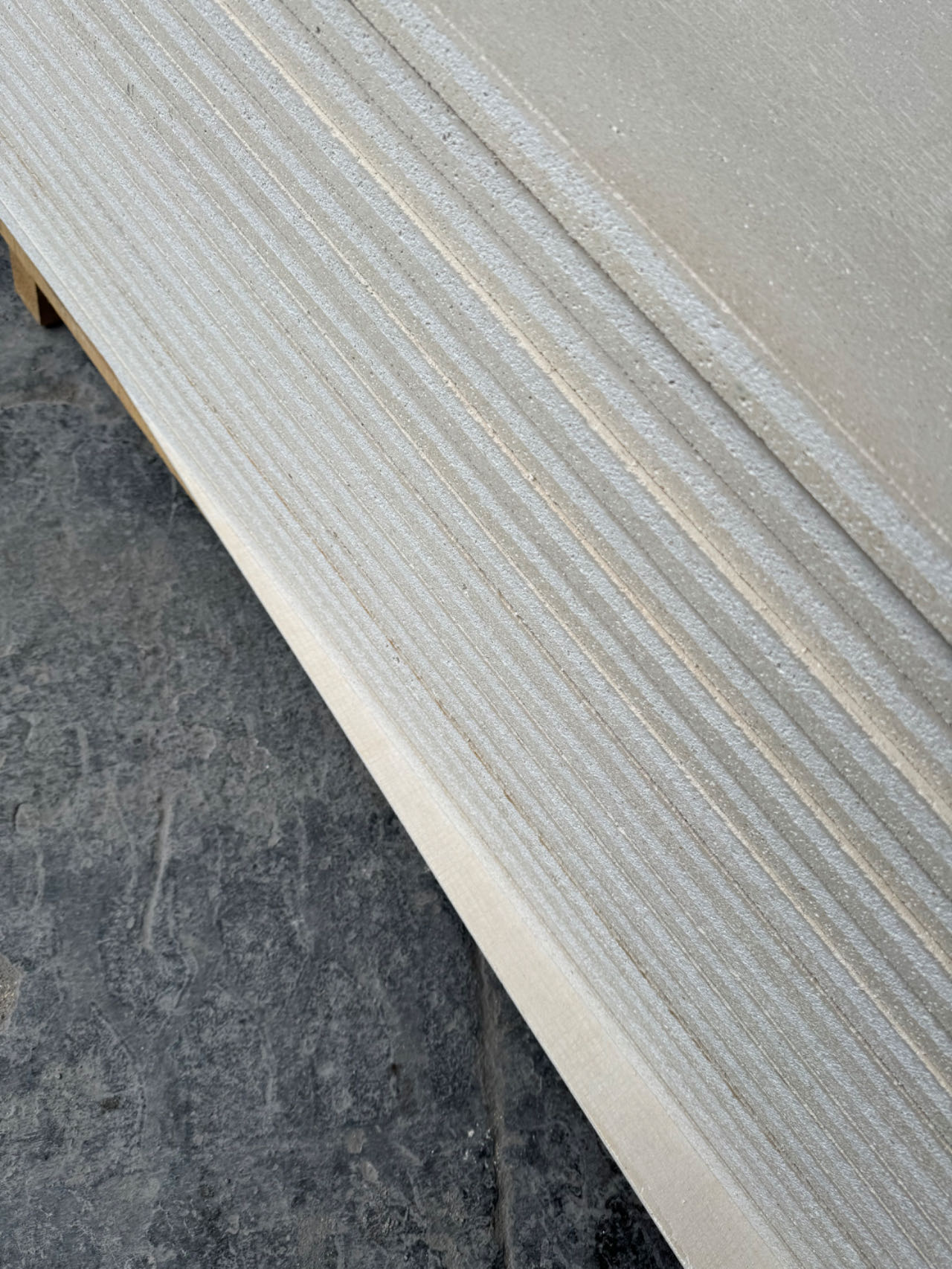 Customized 25mm mgo board
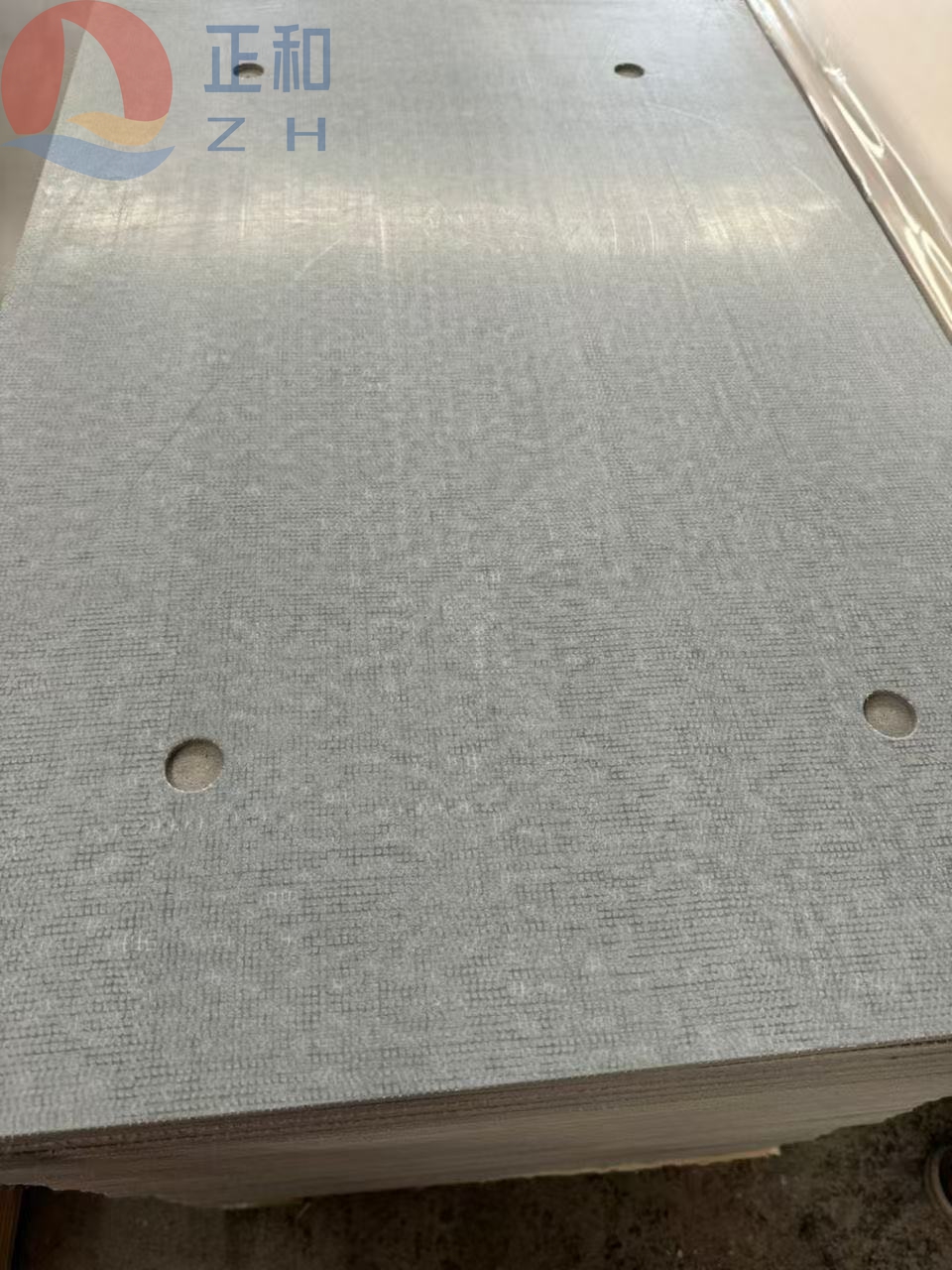 MGO Boards The Modern Cement-F